Table Of Content
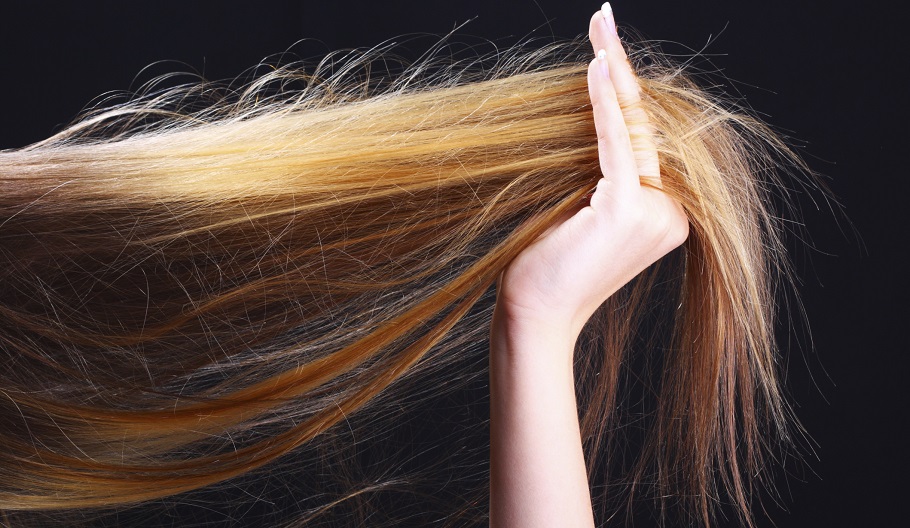
By using it before heat styling you are helping to strengthen the hair for the process, and using it afterward will rejuvenate your curls. "Use a pretreatment or oil on the scalp before shampooing and massage the product using a scalp massager to stimulate blood circulation, promoting hair growth and healthy hair," she says. To prevent further damage, stop using these treatments if your hair is already in rough shape from excessive heat. Dean’s own WEN Brush Dryer Styling Tool ($16)was designed with vegan bristles and lower heat settings to prevent hair damage. “The bristles are designed to be gentle on hair, avoiding direct contact with a hot barrel.
15 Best Hair Masks for Healthy, Silky-Smooth Strands 2024, Tested & Reviewed - Allure
15 Best Hair Masks for Healthy, Silky-Smooth Strands 2024, Tested & Reviewed.
Posted: Sat, 17 Feb 2024 08:00:00 GMT [source]
Keep Your Style for More Than One Day
It also contains baobab and angelica root provide care for thermal, UV, and environmental exposure. Suggests his PHILIP B. Rejuvenating Oil once a week to lock in moisture and create a natural protective barrier against damage. We personally prep our hair with a weekly application of the TRISSOLA Intense Hydrating Mask. A hair mask not only nourishes and deep conditions natural hair but can also help with elasticity, tangles, hair breakage, and more. When we compared the side of our hair with heat protectant to the side without, we noticed the protected side was noticeably smoother, shinier, and silkier.
Do a weekly protein treatment.
According to the expert, moisture masks and deep conditioners are typically good for addressing heat damage and very subtle chemically induced dryness. “For more intense chemical damage, where breakage is happening, a protein mask or deep conditioner must be used to help rebuild the structure of hair,” she explains. Your client may be blow drying, straightening or curling their hair on a higher heat setting than needed, so encourage them to turn the temperature down – especially if their hair is thin or fine. The optimal temperature when styling thin or fine hair is 250°F - 300°F (120°C - 150°C), and for thick, coarse hair, it can go up to 350°F - 450°F (180°C - 230°C). So, recommend a low to medium heat setting on their blow dryer, and hot tools that allow them to adjust the temperature, like the Style Hair Straightener.
effective home remedies to prevent hair loss
"It's important to incorporate a healthy diet to gain nutrients and vitamins to support the health of your hair," Hurtado says. Once you have thoroughly dried your hair, Ahram recommends sleeping on a silk pillowcase. "Use silk pillowcases to decrease friction on the hair while sleeping to protect the hair strands as well," she says.
The hair lays on the bristles and not the barrel, because you don’t want to heat up or burn your hair on the barrel.” This ensures a smoother, more polished finish without excessive heat. Dean explains that heat damage generally occurs at high temperatures, specifically above 375 degrees Fahrenheit. He notes that many tools can reach even higher temperatures, up to 425 degrees, which can be extremely harmful to hair. “Always use the lowest heat setting and ensure your hair stays hydrated to prevent heat damage,” he says. It can also help replenish the protective oils on the outside of your hair.
It’s dull and dry
However, you may need to cut off a little bit more if the hair is deeply damaged. Just remind your client that it will grow back, and this is their chance to give their hair a fresh start. Almost everyone has some hair damage, from dryness and brittleness to split ends and breakage.
This product also passed both of our efficacy tests with flying colors. When we used hot tools, we didn’t notice any burning, sizzling, hissing, or smell of heat. We sprayed a paper receipt with the product, and there were no signs of burning after a quick pass with a flat iron. In addition to heat styling protection, we also love that this spray provides UV protection.
More Heat Protectants to Consider
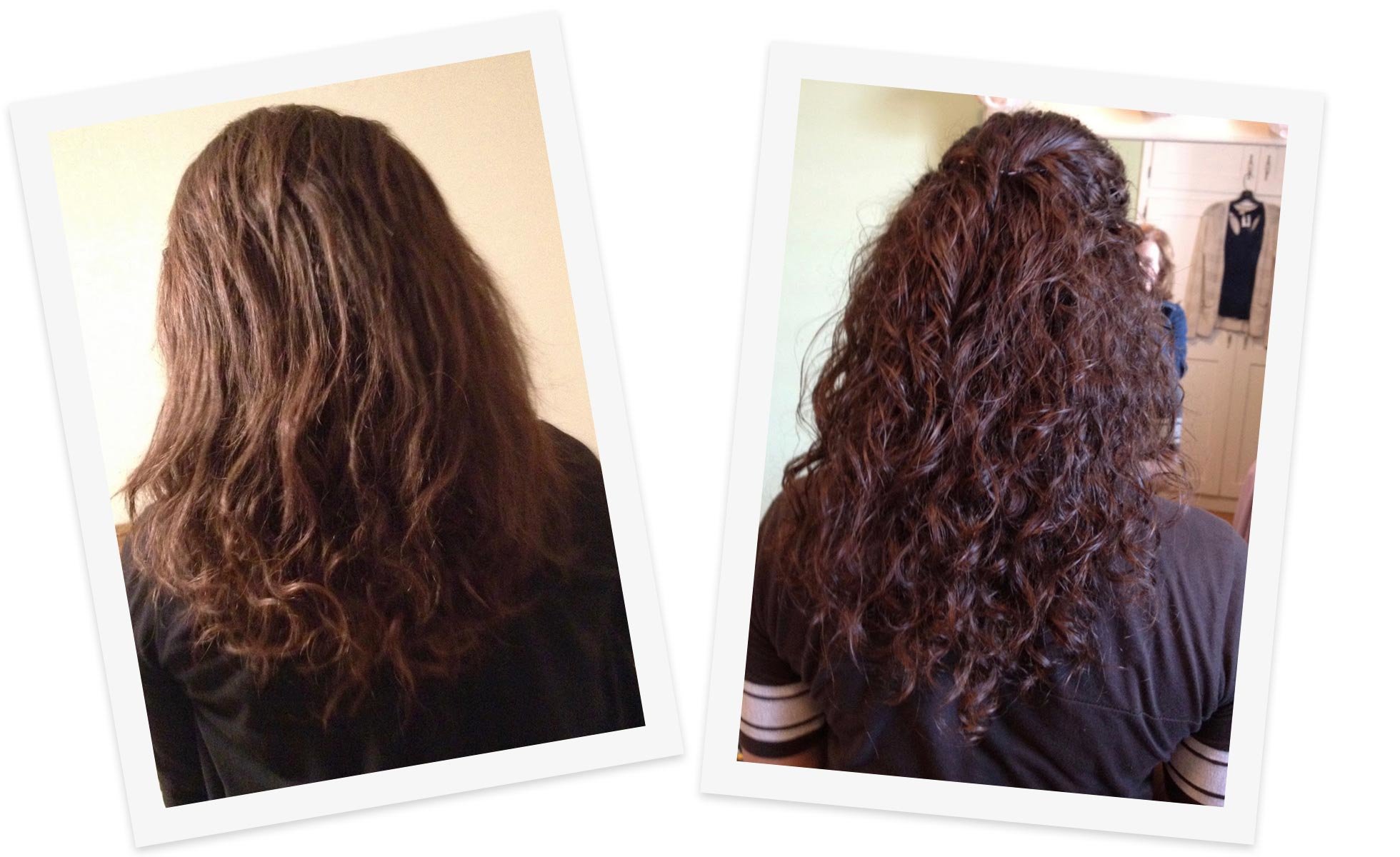
Brager agrees that regular trims can reduce split ends from fraying and breaking off, allowing you (and your hair!) to avoid more dramatic damage. Bond-building hair products have been all the rage in recent years, and for good reason. While certain products exist to address damage caused by chemicals (read on for more) our experts insist that you cannot restore split ends or breakage in severely damaged hair.
Thanks to dry shampoo, silk pillowcases, and innovations like THE SLEEPY TIE, it’s easier than ever to keep styled hair intact (and keep signs of heat damage at bay). It may even be worth the investment to pay a hairstylist to give you a blowout from time to time, since professionally styled hair can last a whole week. Without those protective oils, gaps and tears can form along the cuticle, and they work a little like the holes you see in a sponge. They're able to take in a lot of moisture (like a hair mask) but they can't retain it, meaning your client's favorite hair care products can't work as effectively.
Spray, spritz, or smooth on your heat protectant before blow-drying, curling, or straightening to keep your hair looking and feeling its best. These power-packed treatments work by replenishing the hair shaft with protein and filling in the gaps along your cuticle that have been left exposed by excessive heat. Think of them like a superhero swooping in to save the day – they repair, strengthen, and fortify heat-damaged hair, minimizing breakage and split ends. It may be possible to restore your hair’s natural texture and shine with the help of moisturizing treatments and adjustments to your hair care routine. In the real world, we tested the heat protectants with hot tools at least two times a week for two weeks. Individuals with Type 3 or Type 4 hair had the option to use their heat protectant and flat iron once a week.
All they need is a purple shampoo, which neutralizes the excess warmth that can appear when hair is heat damaged. Recommend they try INVIGO Blonde Recharge Cool Blonde Shampoo. Massaged into wet hair and left for three to five minutes, it banishes yellow and orange tones in the hair, so your client’s color appears fresh once more. "Moisture gives the hair the ability to stretch. Without it, our hair becomes brittle... leaving it a candidate for further breakage," she explains. "Hair loses a lot of moisture from heat damage." The right conditioner can help "lock in and seal the shaft, preventing further damage and restoring the barrier."


No comments:
Post a Comment