Table of Content
One option is to decorate the straw nails with acrylic paint or nail polish details before attaching them. Flatten the nails and attach them to a piece of paper with double-sided tape, then add your designs using a fine-detail brush or a nail art tool. If you're wearing old polish, remove it with some nail polish remover and a cotton ball.
Hydrogen peroxide has natural bleaching properties, which can effectively whiten your nails. Just mix a ¼ cup of hydrogen peroxide with a ½ cup of warm water in a small bowl. Soak your nails in the solution for 5 minutes for light stains and up to 15 minutes for more stubborn ones. Wash away oil or lotion with soap and water, and dry nails thoroughly.
Acetone Method For Acrylic Nails Removal:
Use a small paintbrush to brush a thin layer of your flour or cornstarch mixture onto each nail-shaped piece of paper. Once you’ve coated one piece, press one of the same-sized pieces of paper on top of it. Keep doing this until you’ve glued together all the layers of one nail, then move on to the next one.
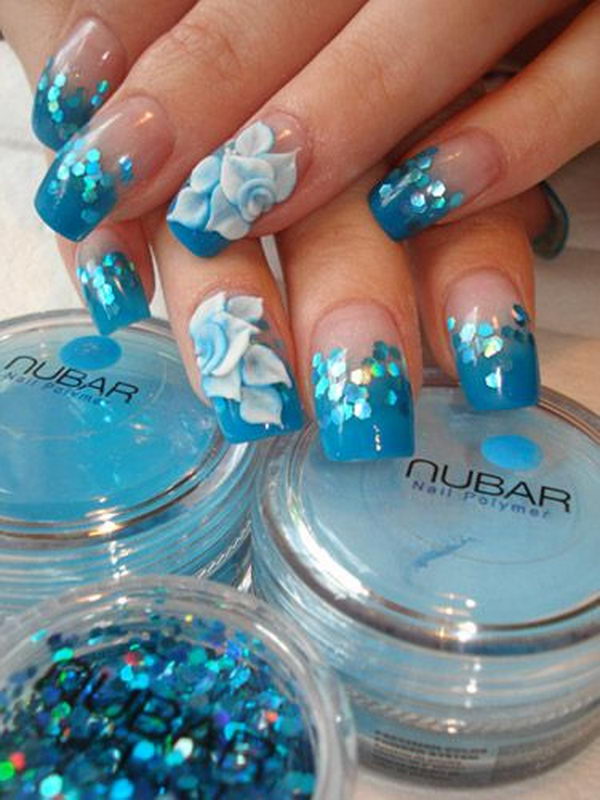
Apply pressure to the nail for five to 10 seconds to ensure that it’s secure and move on to the next tip until all 10 are complete. For a more durable look throughout the day, try sporting a French manicure. To do so paint your nails with basecoat or faintly pink tinted clear nail polish. Then paint the tips white and apply a clear coat over your nails.
How to Whiten Nails at Home: 5 Effective Ways
The safest technique for removing cuticles at home is to gently rub them with a warm, damp washcloth, using a circular motion to slough away dead cuticle skin . Although many salons cut cuticles for a quick, clean look, it's safer to just push them back. The cuticle actually forms a protective seal between the nail and the skin and prevents irritants from getting into the skin.

She has bylines with Allure, Essence, Nylon, The Grio, Huffington Post, and more, with an expertise is in retail, fashion, and beauty. Danielle enjoys writing about new trends and focuses on making beauty and fashion accessible to all. She is the founder of Model Citizen, a sustainable fashion company that encourages peer-to-peer clothing sharing and supports emerging designers. When she is not working, Ms. James enjoys brunch, travel, volunteering, and spending time with friends and family. Since everyone wants to get the most out of a polish, especially when they do the work themselves, it’s important to invest in a polish that you really know sticks.
Shape your nails (optional)
It’s basically a combination of oils designed to soften and care for the cuticles of your nails. Making your own DIY cuticle oil is super easy and far more cost-effective than buying an expensive oil from the store. Out come the extra moisturizing lotions, shampoos, and my all-time favorite DIY cuticle oil to compliment my homemade moisturizing hand cream. It is my dream to be that person who can do my friend’s nails.
Rest your hand that has the glue on it on a flat surface. After taking care of your cuticles, massage in a few drops of cuticle oil, which will help improve your nail health and extend your manicure, Martin says. Just remember to wash your hands before you start painting, as any oil left on your nails can prevent polish from adhering. Just keep in mind that acrylic nails—both those done in a salon or created at home—come with their pros and cons. On one hand, they’re sturdy and long-lasting, creating the unique opportunity to score stellar nail length if your natural nails are hard to grow out. If you want a more natural, transparent look, stick with one layer.
However, this can be very harsh on your cuticles and the skin around your nails, so the cotton ball and foil method is better. If youre set on using the bowl method, just try to keep as little of your fingers soaked in acetone as possible. Store leftover nail glue in a clean nail polish bottle to use at a later stage. If you are left with excess homemade nail glue, it doesn't have to go to waste! Take a brand new, empty nail polish bottle and pour the homemade nail glue inside. Then screw the nail polish brush on tightly to secure the bottle and to ensure that the nail glue doesn't dry out.
Once the activator has dried, you can start playing around with the shape of your nails. The dip powder activator “cures” or hardens the powder. Once the dip powder has settled, use the brush to dust away the excess. If you have an old makeup brush, that works too. You want to do this fairly fast, then as soon as you’re done, dip your nail into the dip powder.
It’s not only a buffer, but it also files, smooths and shines your nails. If your nails are looking a little long since your last appointment, this is when you can further file and clip them down to get the shape you want, too. Add all ingredients to a small glass jar, secure the lid and shake well. I have no time for going some place for nails.
If your new nails seem a little too bendy, don’t worry. You can reinforce them with some of the scrap pieces of straw that you trimmed off. Put a strip of double-sided tape on the underside of each nail, then layer on a second piece of straw that’s the same length as the nail.


No comments:
Post a Comment